The General Secretary rings your bell—and delivers a simple message: giving birth is not optional.
Imagine you are an ordinary housewife spending a quiet evening at home, when the doorbell rings, and your husband announces, “Darling, it’s Xi Jinping.” Before you can process the absurdity of the moment, cameras are already in the living room, and the visit becomes a staged lesson on family-building and childbirth.
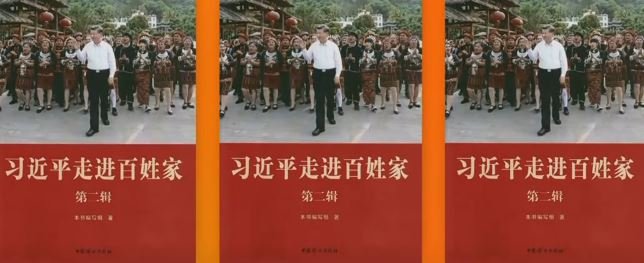
The All-China Women’s Federation (ACWF) has published the second volume of “Xi Jinping Walks into Ordinary Homes,” a title that sounds like the start of a joke. It is launched with the slogan “The people’s leader loves the people, and the people love the people’s leader.” However, the punchline is China’s demographic crisis, and the audience is every woman of childbearing age.
The book gathers stories of Xi’s visits to families across the country, but the real goal isn’t to celebrate domestic warmth. Instead, it is to remind women that their wombs have become tools of national policy. As the official announcement states, the volume aims to “inspire” women to contribute to the 15th Five-Year Plan.
In practice, this means building families and having babies as directed, because the state has decided reproduction is a patriotic duty.
China’s birth rate reached a historic low in 2023, and the population shrank for the second straight year. “Bitter Winter” and many other observers have shown how deep and structural the demographic decline has become. Decades of the one-child policy, rising living costs, stagnant wages, and a generation of young women who refuse to trade their autonomy for a system that offers little in return have led to this reality.
In response, Beijing has shifted from encouragement to pressure, and from pressure to ideological mobilization. The new book represents this change. It is not a gentle suggestion; it is a political directive disguised as sentimental anecdotes.
The message is clear. Xi Jinping is depicted not just as a national leader but also as a caring father figure who steps into your living room, admires your children, and implicitly asks why you don’t have more. The symbolism is intentional: if Xi can “walk into ordinary homes,” then those homes must be ready to meet the state’s needs. Family planning becomes state planning. Personal choices become national duties.
Women’s bodies turn into demographic infrastructure.
The irony lies in the government’s refusal to address the real reasons behind the fertility crisis. Young women point to the high cost of education, the difficulty of buying a home, the expectation that they will manage all domestic work, and the lack of legal protections against workplace discrimination. Instead of tackling these issues, the state produces propaganda books and slogans about “family happiness.”